A monument shaped by Ottoman grace
Cascading domes, six minarets, inscriptions, and İznik tiles carry the memory of sultans, architects, artisans, worshippers, and visitors.
Table of Contents
Foundations: a city of domes and straits
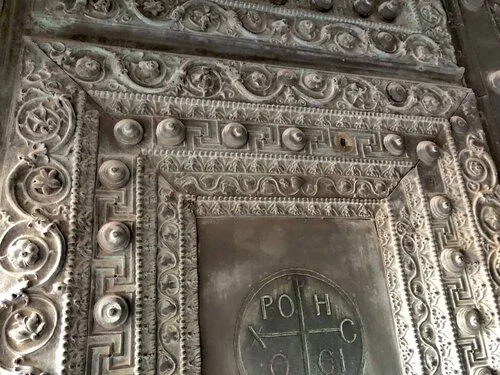
Istanbul—once Byzantium, later Constantinople—grew around water and wind, around harbor light and hill shadows. The Bosphorus pulls ships like threads through a loom; courts and markets gather stories, and prayers rise with gulls and morning haze.
Where the Hippodrome stretched and empires paraded, the Blue Mosque now settles like a calm compass of faith. Courtyards breathe, domes listen, and the city’s many languages meet in a shared hush under stone and sky.
Ottoman ambition: Sultan Ahmed’s grand vision
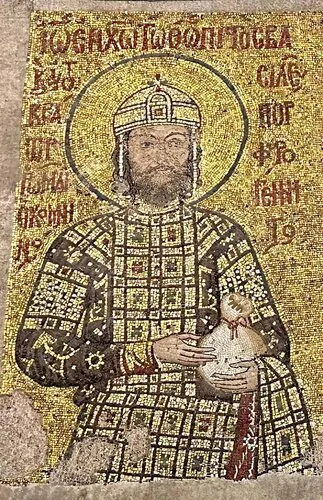
In the early 17th century, Sultan Ahmed I asked architecture to speak devotion with confidence: build a mosque whose domes flow like gentle hills, whose minarets lift prayers into the weather, where beauty teaches humility. Architect Sedefkâr Mehmed Ağa answered with proportion, light, and patient craft.
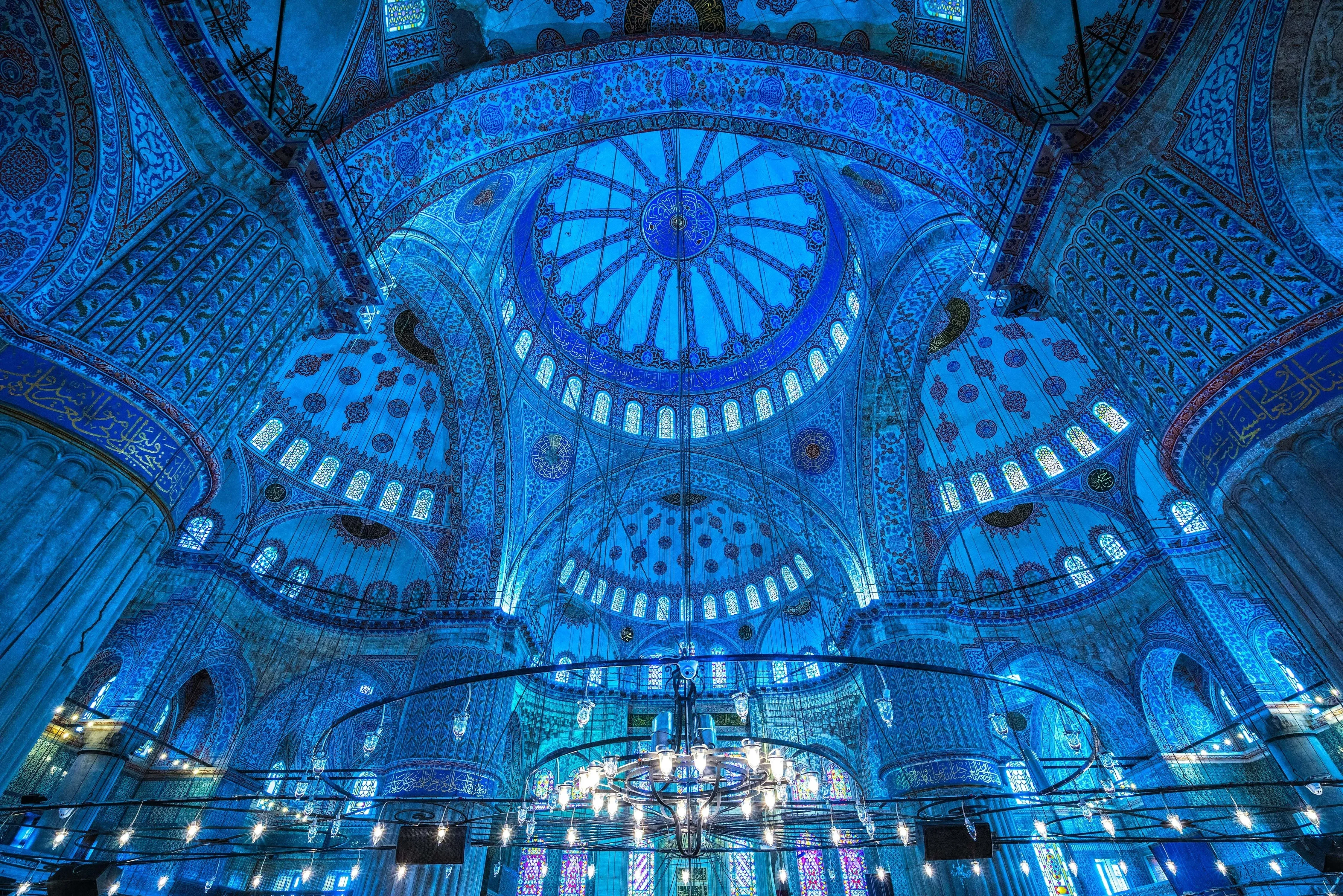
Iznik tiles shimmer with blues and greens as if the sea and garden came inside to pray. Calligraphy wraps the structure with breath. Arches, piers, and semi‑domes gather weight and release it into daylight, making vastness feel like a kindness.
Courtyards, prayer, and urban symbolism
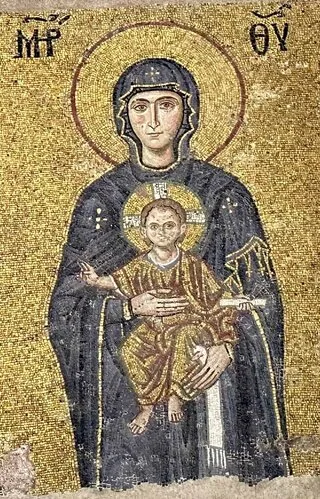
Courtyards invite transition: footsteps soften under arcades, water glints in fountains, and voices find quiet before entering. Six minarets, once audacious, mark a skyline of faith and hospitality—an urban chapter written in stone and sky.
Prayer rhythms shape the day. The mosque breathes with calls and silences, opening spaces for worship and gentle visitation. Respect comes naturally when you let the building set the pace.
Architecture: structure, light, and rhythm
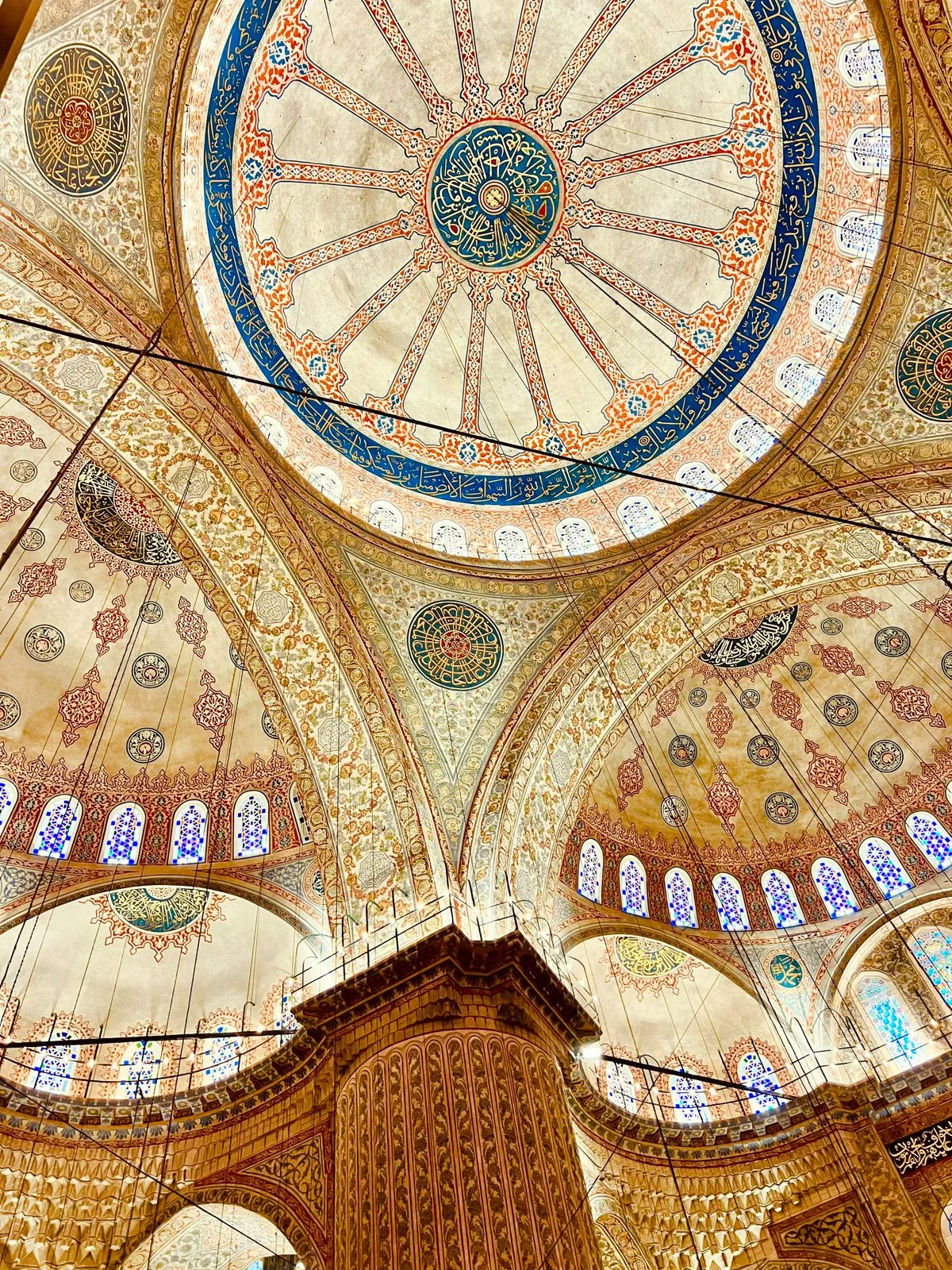
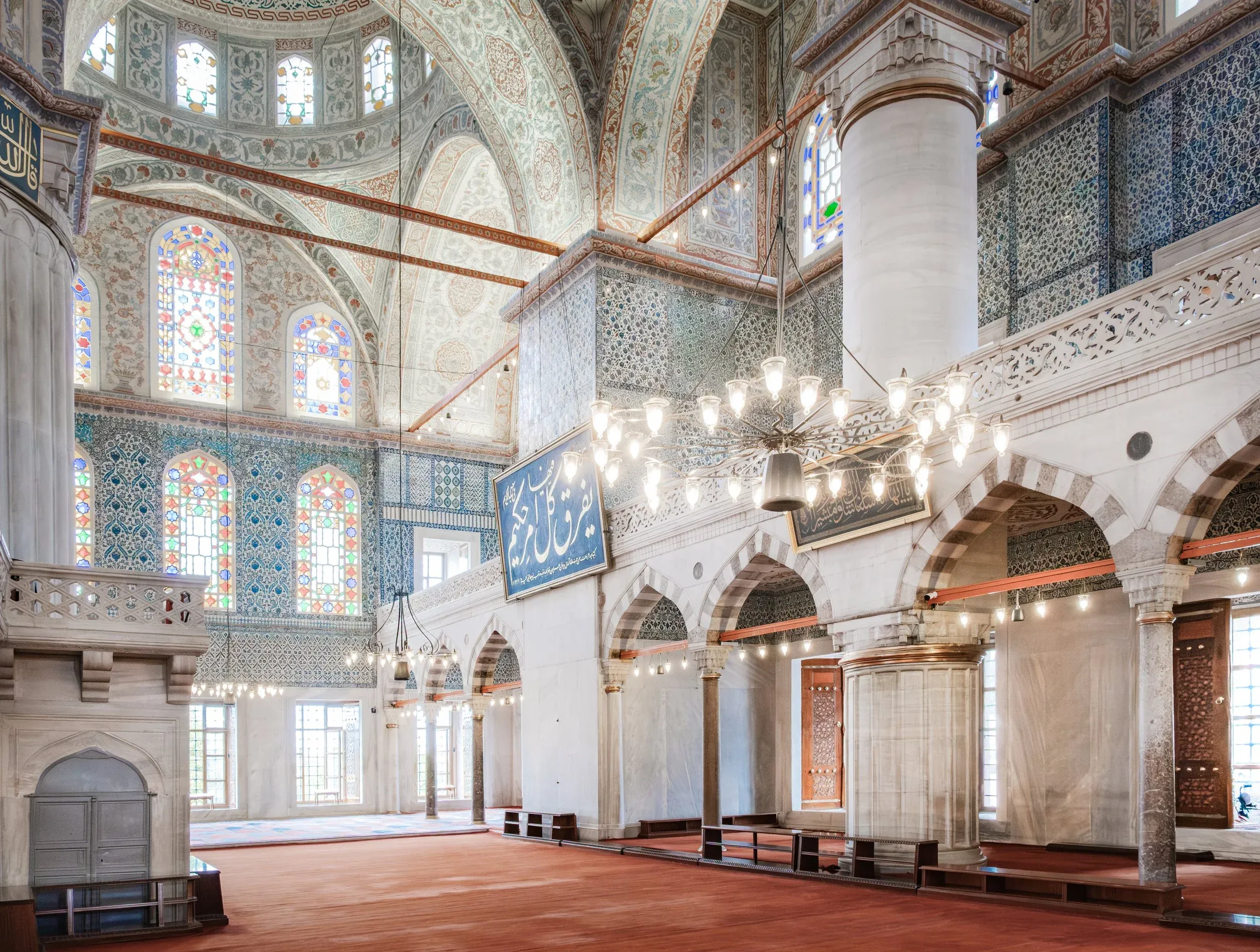
Stand beneath the central canopy and watch light move like slow music across tiles and stone. Semi‑domes cascade, arches gather, and piers hold steady—an orchestration where engineering becomes hospitality.
Repairs and reinforcements over centuries read like careful notes in a score—the mosque learns from time, keeping grace while protecting the bones that let domes sing.
Ceremony, daily worship, and the human scale
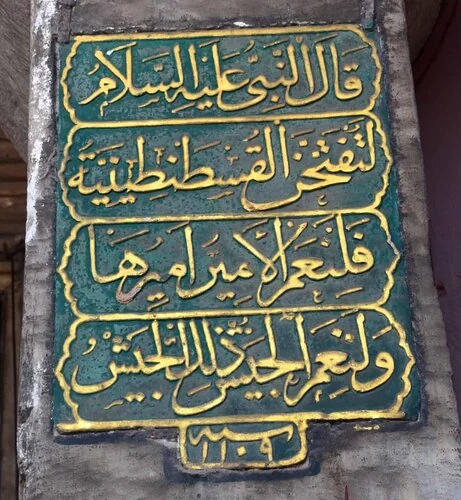
The Blue Mosque hosts gatherings, sermons, and the daily choreography of prayers. Floors remember soft footfalls; light remembers bowed heads; stone remembers hands that reached out to steady awe.
Visitors and worshippers share the same sky of domes—move gently, pause often, and let quiet teach you how to see.
Craft techniques: İznik tiles and calligraphy
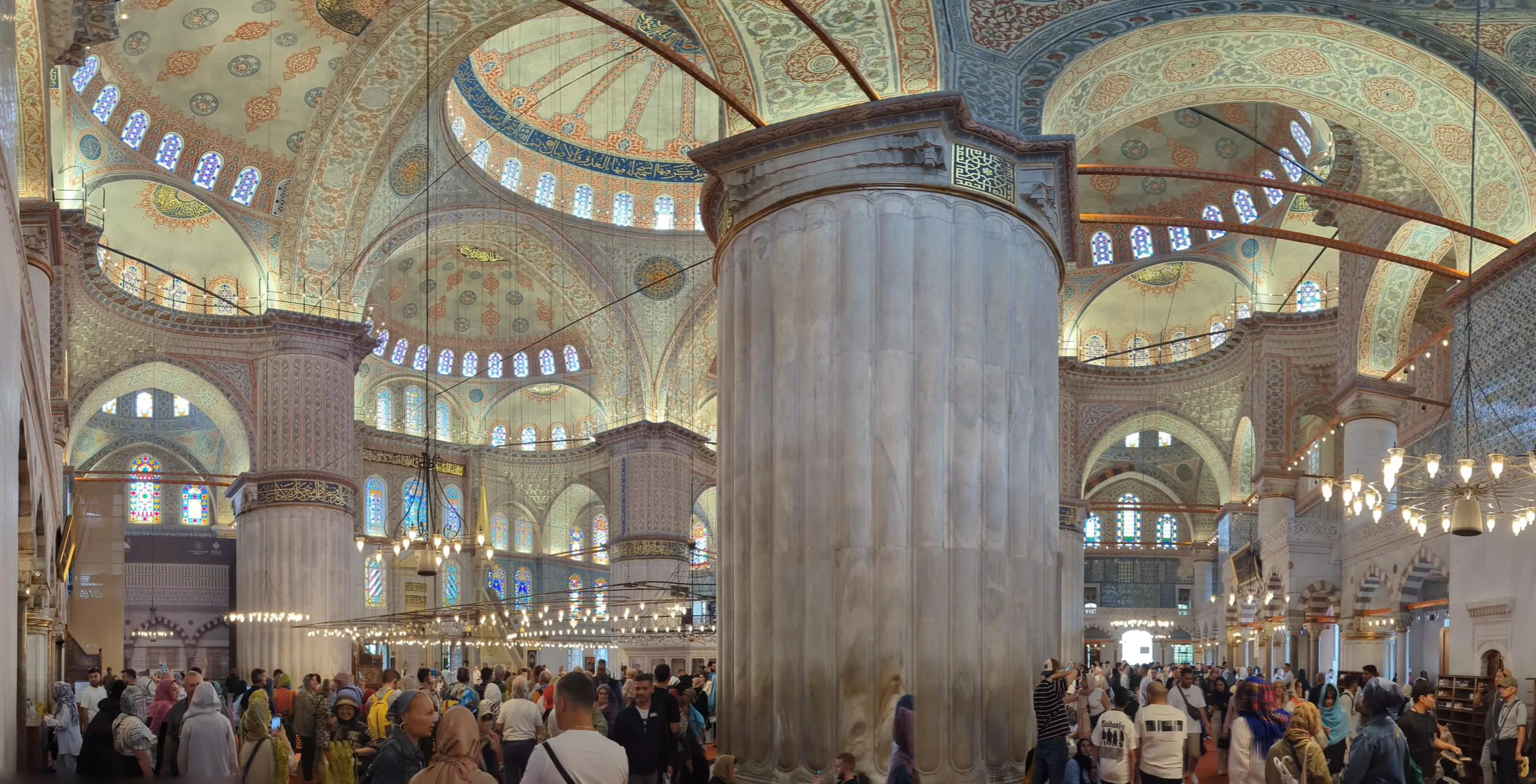
Tiles are more than decoration—they are memory in fire and glaze: tulips, carnations, and vines drifting in blue, turquoise, and green. Patterns carry gardens indoors and give prayer a color.
Ottoman calligraphy turns language into gentle architecture. Craftspeople measured, cut, and placed each letter with devotion, so words could float among domes and arches like breath.
Accessibility & visitor comfort
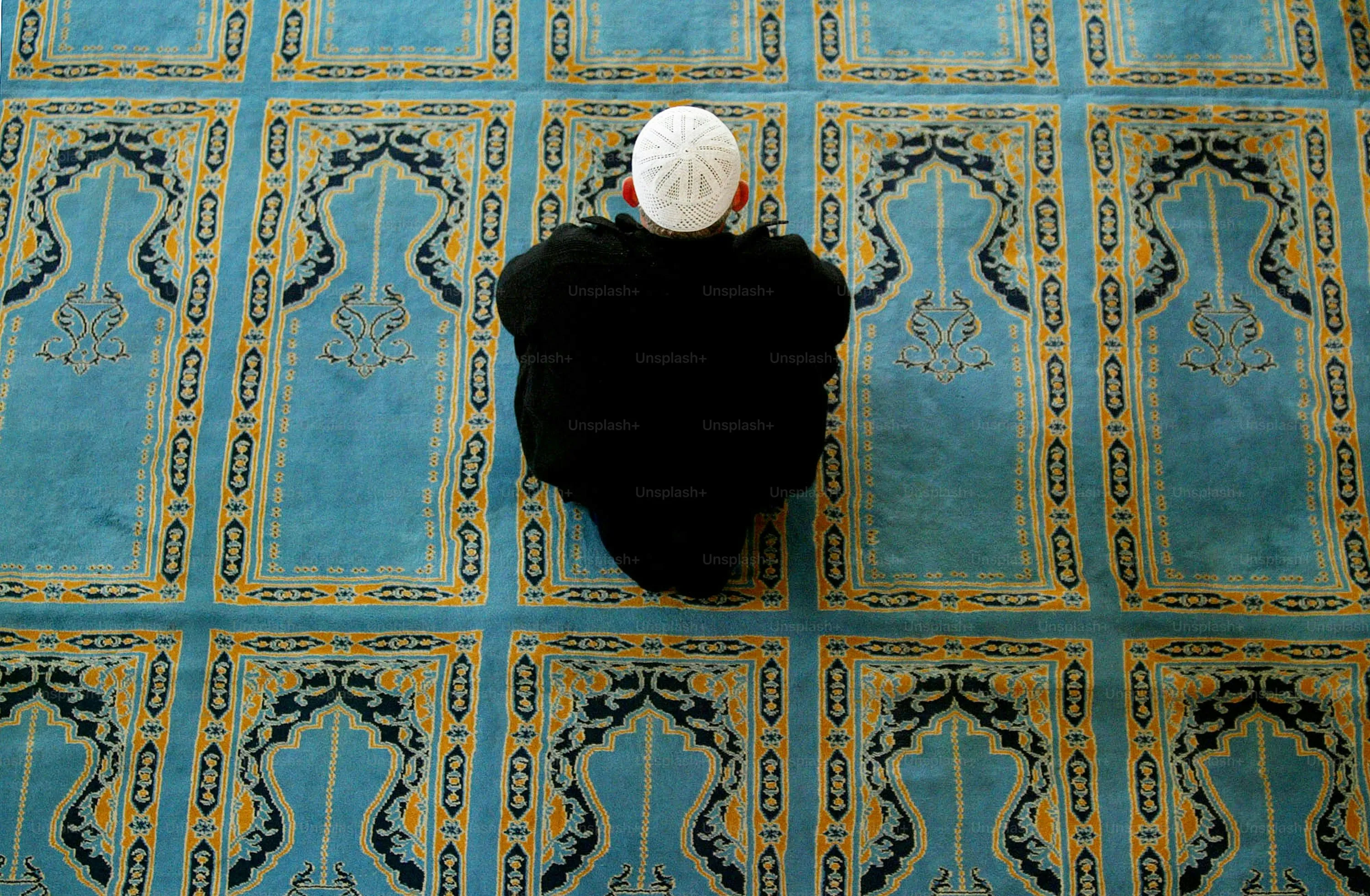
Adapted routes and staff guidance support movement across courtyards and interior zones. Official maps outline paths considerate of prayer times and conservation areas.
Hydration, modest dress, and unhurried pacing make the visit kinder. Benches and garden edges offer pauses—use them to let color and light settle in your memory.
Conservation & stewardship in a living mosque
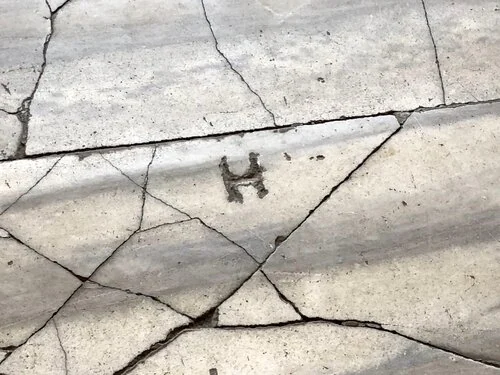
Stewardship balances devotion, tourism, and duty of care. Moisture, time, and crowd flow test materials; experts read tiles, arches, and joints like physicians read a pulse.
Monitoring light, humidity, and load helps protect the structure. Occasional closures and coverings safeguard fragile art while keeping the space alive for prayer.
Global imagery & cultural imagination
The Blue Mosque lives in postcards, films, and the quiet albums of travelers. It appears whenever people ask whether color can carry devotion or whether domes can teach gentleness.
Photography is best when patient—let images arise after awe. Sometimes the finest picture is the one you take with your breath and keep in silence.
Route planning with historical context
Begin in the courtyard, then move beneath the domes. Notice arches and piers, İznik patterns, the mihrab aligned toward Mecca, the minbar’s carving, and how calligraphy guides the eye.
Return often to the center—perspective changes with light. Read stone like a book: repairs speak of resilience; inscriptions speak of devotion; windows speak of time.
Istanbul’s urban fabric & trade
The city’s wealth rode on ships and markets—spice, silk, ideas, and languages mingling across the Golden Horn. The Blue Mosque absorbs that music and returns it as architecture of welcome.
Streets around Sultanahmet show how faith, power, and commerce touch and settle, making a neighborhood that teaches you to look up, slow down, and breathe.
Nearby complementary sites
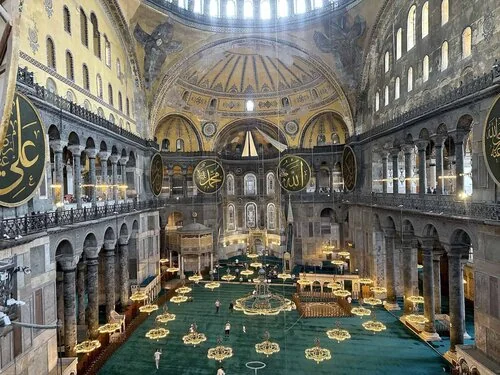
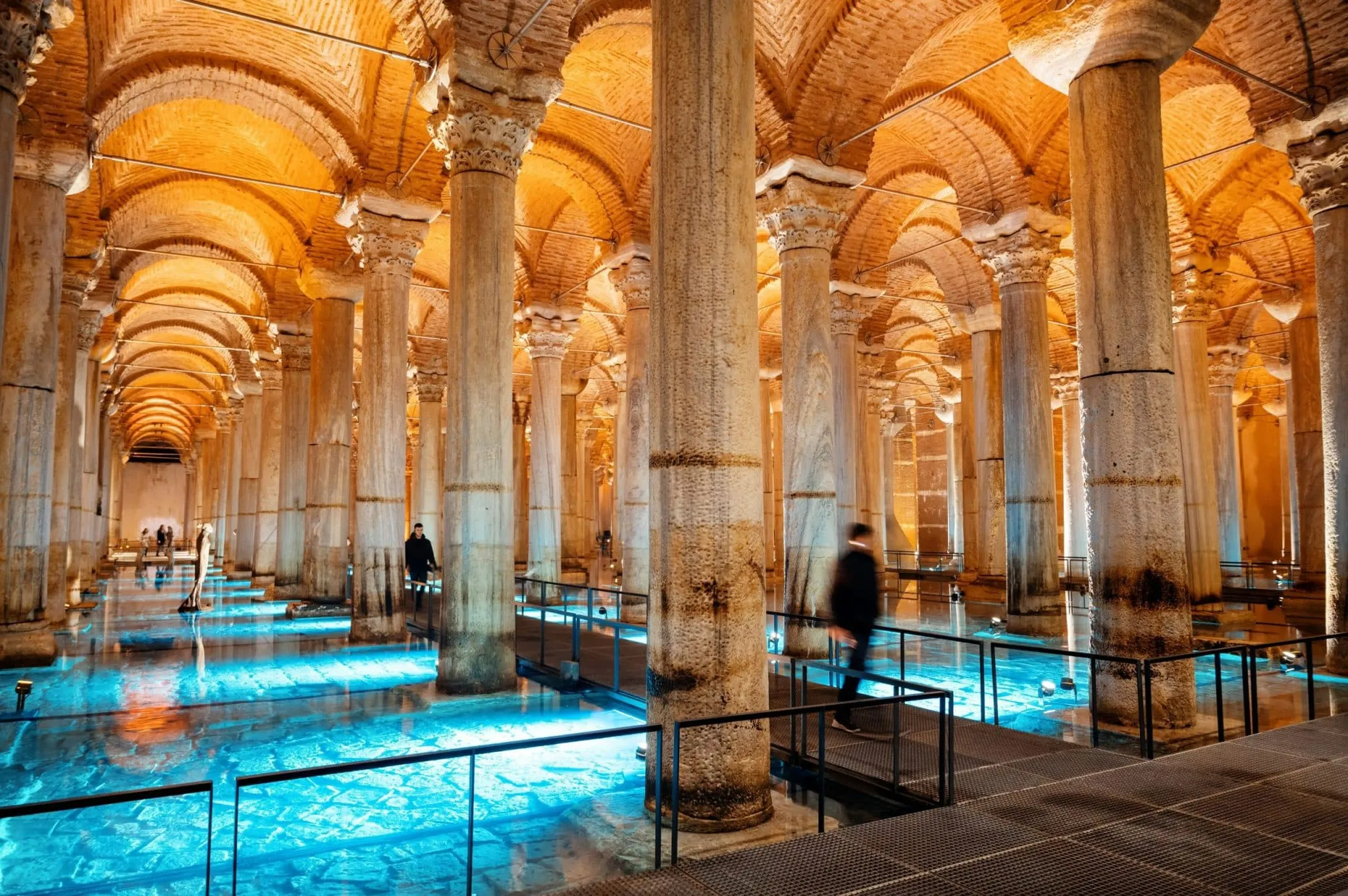
Hagia Sophia, Basilica Cistern, Topkapı Palace, and the Archaeology Museums enrich the story—each adds a facet to the city’s long conversation with beauty and order.
A gentle itinerary contrasts sacred calm, imperial treasure, cool underground mystery, and garden strolls—threads you can weave into a day of wonder.
Enduring legacy of the Blue Mosque
The Blue Mosque embodies an idea: that architecture can cradle devotion and teach patience; that engineering can feel like kindness; that color can carry memory.
Ongoing study deepens gratitude for its artistry and delicate strength, shaping modern ethics of conservation and hospitality in sacred urban spaces.
Table of Contents
Foundations: a city of domes and straits
Istanbul—once Byzantium, later Constantinople—grew around water and wind, around harbor light and hill shadows. The Bosphorus pulls ships like threads through a loom; courts and markets gather stories, and prayers rise with gulls and morning haze.
Where the Hippodrome stretched and empires paraded, the Blue Mosque now settles like a calm compass of faith. Courtyards breathe, domes listen, and the city’s many languages meet in a shared hush under stone and sky.
Ottoman ambition: Sultan Ahmed’s grand vision
In the early 17th century, Sultan Ahmed I asked architecture to speak devotion with confidence: build a mosque whose domes flow like gentle hills, whose minarets lift prayers into the weather, where beauty teaches humility. Architect Sedefkâr Mehmed Ağa answered with proportion, light, and patient craft.
Iznik tiles shimmer with blues and greens as if the sea and garden came inside to pray. Calligraphy wraps the structure with breath. Arches, piers, and semi‑domes gather weight and release it into daylight, making vastness feel like a kindness.
Courtyards, prayer, and urban symbolism
Courtyards invite transition: footsteps soften under arcades, water glints in fountains, and voices find quiet before entering. Six minarets, once audacious, mark a skyline of faith and hospitality—an urban chapter written in stone and sky.
Prayer rhythms shape the day. The mosque breathes with calls and silences, opening spaces for worship and gentle visitation. Respect comes naturally when you let the building set the pace.
Architecture: structure, light, and rhythm
Stand beneath the central canopy and watch light move like slow music across tiles and stone. Semi‑domes cascade, arches gather, and piers hold steady—an orchestration where engineering becomes hospitality.
Repairs and reinforcements over centuries read like careful notes in a score—the mosque learns from time, keeping grace while protecting the bones that let domes sing.
Ceremony, daily worship, and the human scale
The Blue Mosque hosts gatherings, sermons, and the daily choreography of prayers. Floors remember soft footfalls; light remembers bowed heads; stone remembers hands that reached out to steady awe.
Visitors and worshippers share the same sky of domes—move gently, pause often, and let quiet teach you how to see.
Craft techniques: İznik tiles and calligraphy
Tiles are more than decoration—they are memory in fire and glaze: tulips, carnations, and vines drifting in blue, turquoise, and green. Patterns carry gardens indoors and give prayer a color.
Ottoman calligraphy turns language into gentle architecture. Craftspeople measured, cut, and placed each letter with devotion, so words could float among domes and arches like breath.
Accessibility & visitor comfort
Adapted routes and staff guidance support movement across courtyards and interior zones. Official maps outline paths considerate of prayer times and conservation areas.
Hydration, modest dress, and unhurried pacing make the visit kinder. Benches and garden edges offer pauses—use them to let color and light settle in your memory.
Conservation & stewardship in a living mosque
Stewardship balances devotion, tourism, and duty of care. Moisture, time, and crowd flow test materials; experts read tiles, arches, and joints like physicians read a pulse.
Monitoring light, humidity, and load helps protect the structure. Occasional closures and coverings safeguard fragile art while keeping the space alive for prayer.
Global imagery & cultural imagination
The Blue Mosque lives in postcards, films, and the quiet albums of travelers. It appears whenever people ask whether color can carry devotion or whether domes can teach gentleness.
Photography is best when patient—let images arise after awe. Sometimes the finest picture is the one you take with your breath and keep in silence.
Route planning with historical context
Begin in the courtyard, then move beneath the domes. Notice arches and piers, İznik patterns, the mihrab aligned toward Mecca, the minbar’s carving, and how calligraphy guides the eye.
Return often to the center—perspective changes with light. Read stone like a book: repairs speak of resilience; inscriptions speak of devotion; windows speak of time.
Istanbul’s urban fabric & trade
The city’s wealth rode on ships and markets—spice, silk, ideas, and languages mingling across the Golden Horn. The Blue Mosque absorbs that music and returns it as architecture of welcome.
Streets around Sultanahmet show how faith, power, and commerce touch and settle, making a neighborhood that teaches you to look up, slow down, and breathe.
Nearby complementary sites
Hagia Sophia, Basilica Cistern, Topkapı Palace, and the Archaeology Museums enrich the story—each adds a facet to the city’s long conversation with beauty and order.
A gentle itinerary contrasts sacred calm, imperial treasure, cool underground mystery, and garden strolls—threads you can weave into a day of wonder.
Enduring legacy of the Blue Mosque
The Blue Mosque embodies an idea: that architecture can cradle devotion and teach patience; that engineering can feel like kindness; that color can carry memory.
Ongoing study deepens gratitude for its artistry and delicate strength, shaping modern ethics of conservation and hospitality in sacred urban spaces.