Blue Mosque Architecture – Tiles, Domes, Minarets & History
A deep dive into the design, symbolism, and construction of Sultan Ahmed Mosque, known as the Blue Mosque.
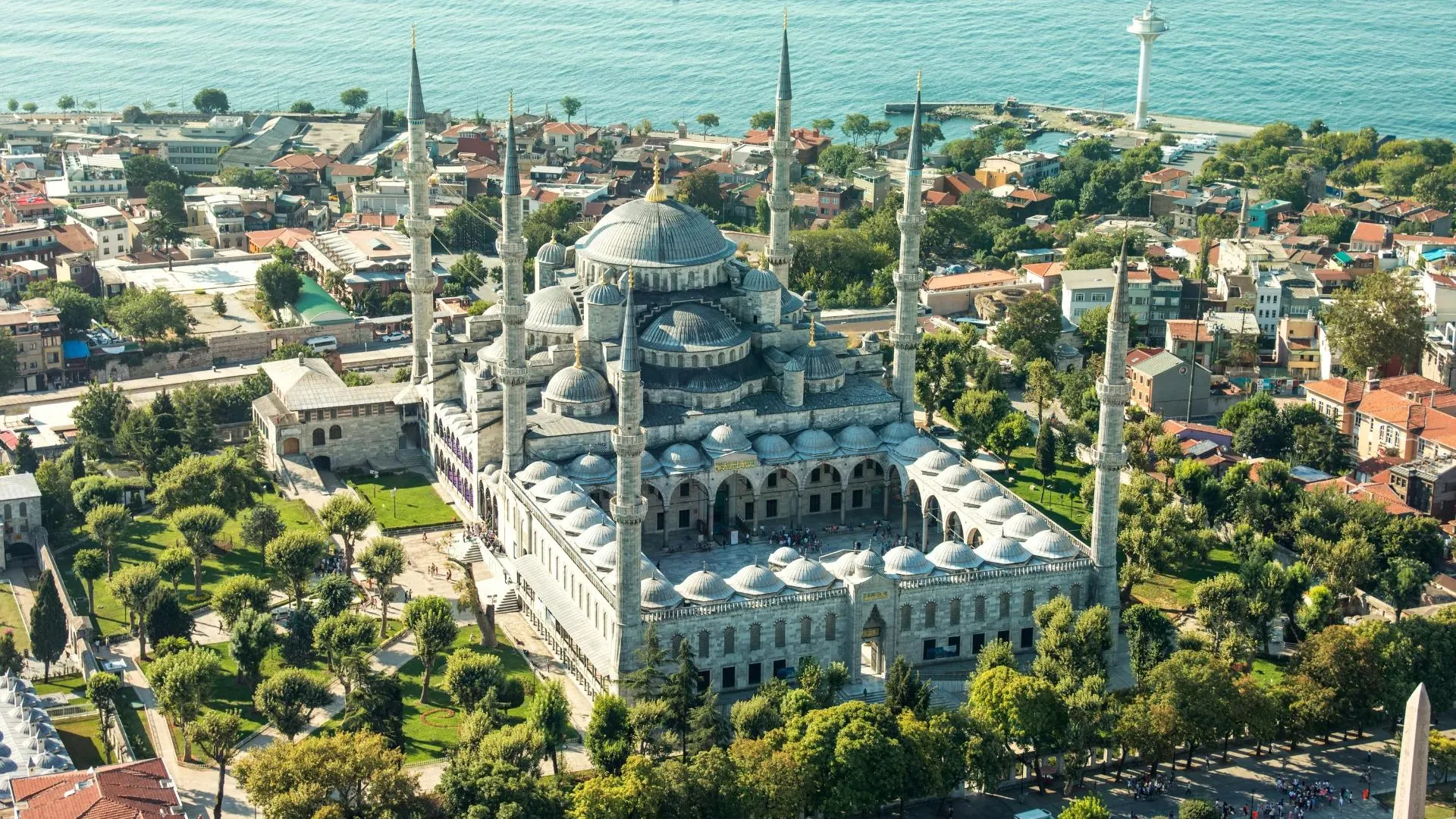
The Blue Mosque (Sultan Ahmed Mosque) is a poetic dialogue between earthly grandeur and spiritual serenity — a cascading mountain of domes, six minarets that once stirred controversies, and interiors coated with Iznik tiles in sapphire, turquoise, and emerald.
Timeline at a Glance
- 1609: Groundbreaking under Sultan Ahmed I.
- 1616–1617: Completion and inauguration.
- 20th–21st c.: Conservation campaigns, tile cleaning, structural maintenance.
Origins and Patronage
- Commissioned by Sultan Ahmed I (r. 1603–1617) to project Ottoman piety and prestige after military setbacks.
- Architect Sedefkâr Mehmed Ağa, a pupil of Mimar Sinan’s school, fused Sinan’s rational geometry with theatrical spatial mastery.
Aesthetic Thesis
The mosque frames a sequence — courtyard → prayer hall → mihrab — each stage intensifying light, pattern, and acoustic hush.
Iznik Tiles: Color Theory and Craft
- Palette: cobalt blue, turquoise, emerald; rhythmic floral motifs (tulips, carnations, saz leaves).
- Glaze: lead‑based brilliance amplifying light from clerestory windows.
- Placement: tiles concentrate around the lower interior, anchoring eye‑level devotion while domes soar overhead.
| Tile Motif | Meaning | Placement |
|---|---|---|
| Tulip | Elegance, Ottoman court icon | Panels near mihrab |
| Carnation | Vitality and joy | Lower wall belts |
| Saz leaf | Infinite growth | Column spandrels |
Domes and Structure
- Cascading domes step down from the central dome, distributing loads via semi‑domes and piers.
- Buttressing is integrated, not exposed: elegance over brute mass.
- Windows at multiple tiers play with daylight; morning light paints the tiles differently from late afternoon.
Acoustic Craft
Porous surfaces, carpets, and dome geometry create a gentle reverb — speech floats, prayer calms.
Six Minarets: Symbol and Controversy
- The six minarets matched Mecca’s Grand Mosque count historically, prompting a diplomatic solution: an extra minaret added in Mecca.
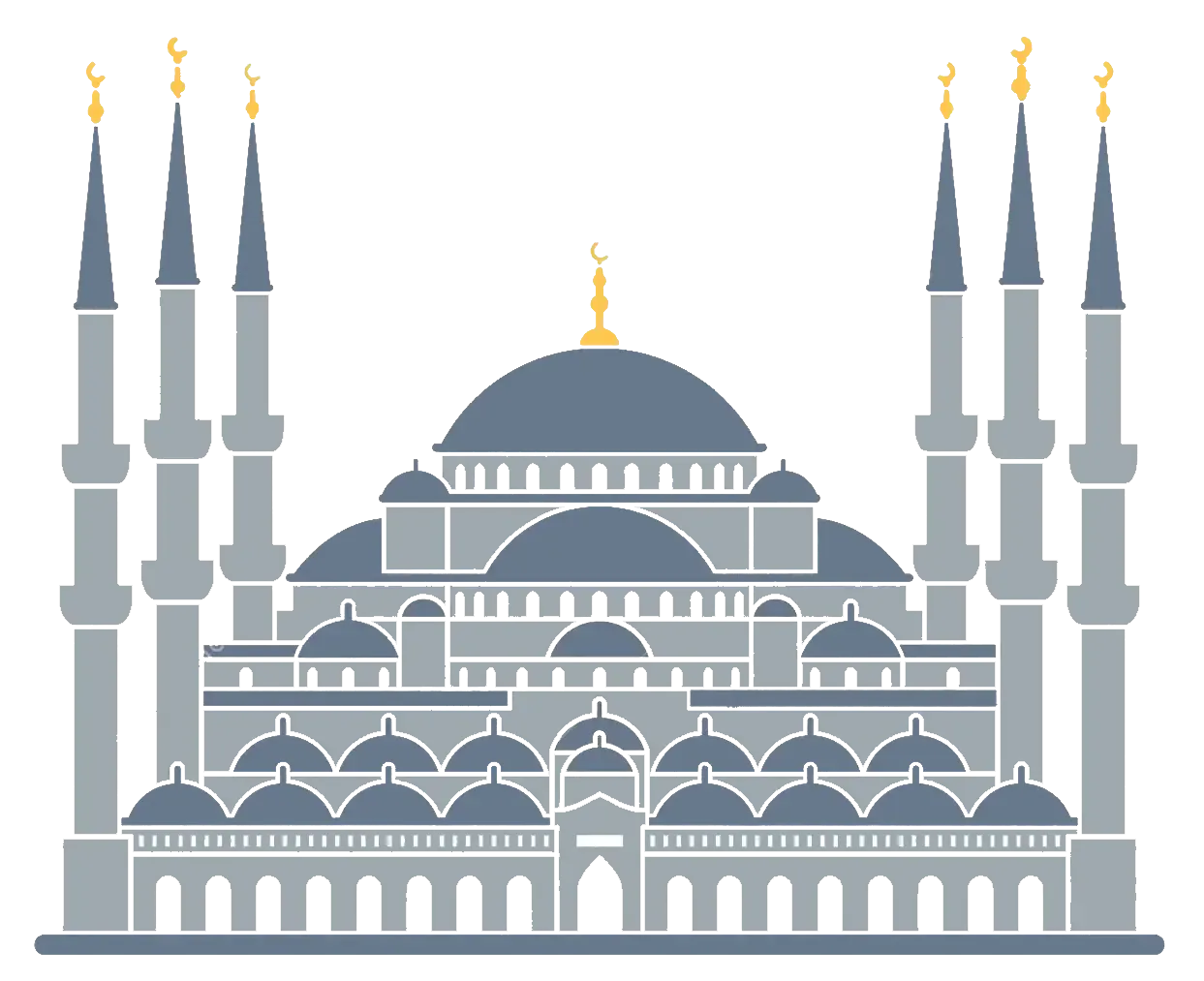
- Visual balance: four corners of the courtyard + two flanking the prayer hall tower the skyline.
Experience Design
- Approach through the courtyard arcades to feel scale.
- Pause beneath the central dome; look for calligraphy bands and tile seams.
- Notice the mihrab alignment toward the qibla and the minbar’s carved elegance.
Image Highlights
Bottom Line
The Blue Mosque’s architecture harmonizes geometry, light, and craft — a living lesson in Ottoman spatial poetry.
关于作者

Istanbul Planner
我写下这些,只为你能以安静、背景与关怀走进蓝色清真寺——让瓷砖、穹顶与每日礼拜的节律清晰地开口。
Tags
Comments (0)
Loading comments...